


The Oak and the Ash...

The Oak and the Ash...
09 December 2025 - 0 Comments
Posted by Mike Raine
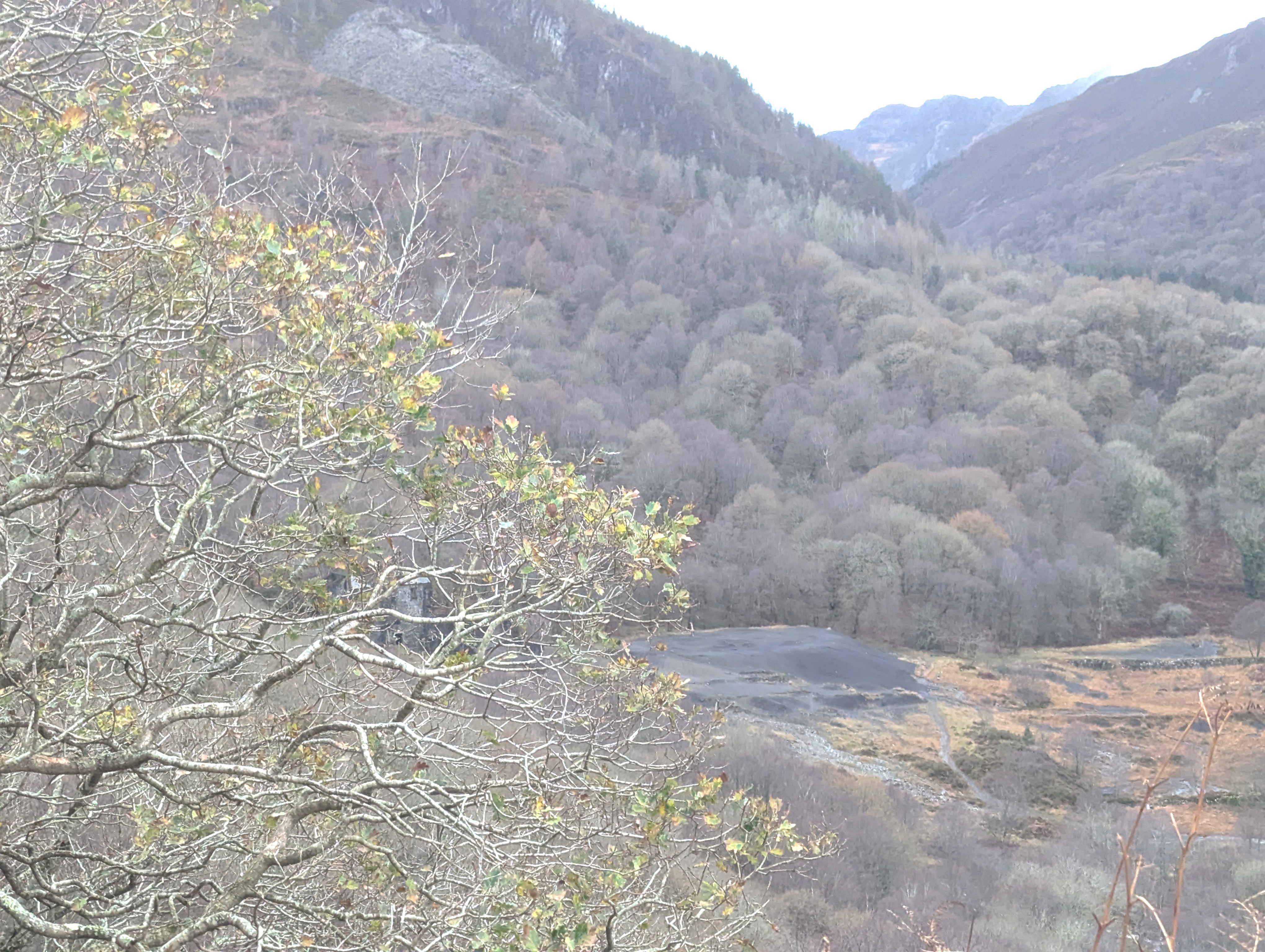
I was out on a walk above Trefriw the other day and it was noticeable how the oak still has leaves hanging on in there. Most other trees were bare, certainly the birch and the ash were. But did you know…
Oak and ash take turns in the woodland
If you walk through older woodlands, you might notice that oak seems to dominate in some places, while ash takes over in others. It’s not planned by anyone - it’s just the way these two species naturally swap roles over time. Think of it less like a competition and more like two neighbours taking turns looking after the place.
The cycle usually starts with oak. Oak seedlings need loads of sunlight to get going, so they do best after something has opened up the canopy - a big storm, a fallen tree, or years of grazing that kept things clear. When the light pours in, oak takes its chance. It grows slowly but steadily, and before long you’ve got a tall canopy of oak that can last for centuries.
While the oaks are maturing, ash quietly moves in underneath them. Ash is more tolerant of shade when it’s young and grows much faster once it gets going. So, it sits there in the background, waiting for its moment. When an old oak eventually dies or a patch of canopy opens up, ash is ready to spring upwards and fill the gap. Over time, this can lead to whole areas becoming ash-dominated, with a lighter, more open feel and plenty of plants on the woodland floor.
But ash doesn’t stay on top forever. It’s shorter-lived than oak and more easily knocked over by wind. And today, with ash dieback spreading through many woodlands, the ash phase is often cut short. When the ash trees thin out, sunlight reaches the ground again - and that’s the cue for oak seedlings to take another shot. Slowly, oak regains control and begins the cycle again.
This natural back-and-forth between oak and ash helps keep woodlands varied and full of life. Each phase creates slightly different conditions, supporting different plants, insects, and animals. It’s one of the reasons a walk through ancient woodland feels so rich and full of stories - the trees have been taking turns for centuries, and we’re just catching a moment in the middle of it.
Optional, for replies
No comments posted yet, check back soon.


